
Iron phosphate (FePO₄) is an important inorganic compound used across multiple industries, from advanced battery technology to corrosion-resistant coatings and fertilizers. Its chemical stability, safety, and versatility make it a preferred choice for manufacturers who require reliable, high-purity raw materials.
Classic Solvents supplies industrial and battery-grade ferric phosphate that meets strict purity, consistency, and documentation standards. With decades of sourcing expertise and trusted partnerships across India and global markets, we ensure dependable material quality and on-time delivery for every scale of production.
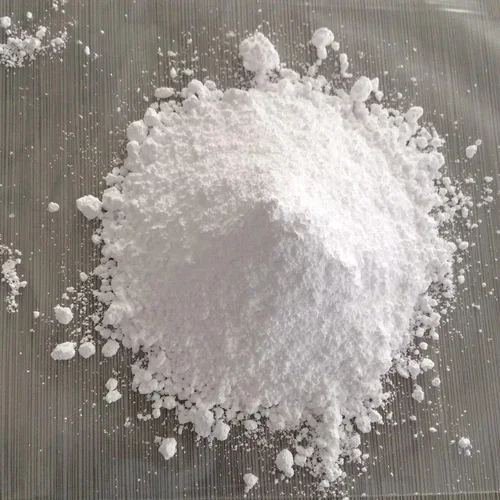
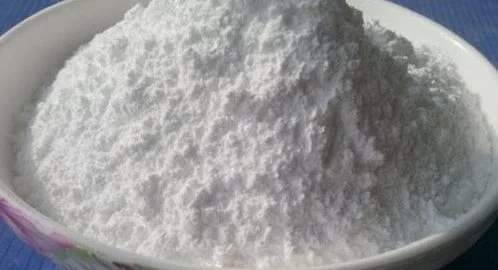
Iron phosphate, chemically known as ferric phosphate, consists of ferric ions (Fe³⁺) and phosphate anions (PO₄³⁻). It appears as a light gray or beige crystalline powder that is stable under heat and non-reactive under neutral conditions. The compound has a molecular formula of FePO₄ and a molecular weight of 150.82 g/mol.
Due to its low solubility in water and high thermal stability, iron phosphate is widely used in lithium-ion battery cathodes, metal pretreatment coatings, pigments, and fertilizers. Its predictable reactivity and uniform particle structure allow precise control in both industrial formulations and electrochemical applications. Classic Solvents supplies FePO₄ in multiple grades, each tailored to the purity and performance standards of its end-use industry.
These attributes make ferric phosphate a dependable material for demanding applications that require both stability and precision.
Iron phosphate is a major source that leads to the manufacturing of lithium iron phosphate (LiFePO₄) cathodes. It is the one that imparts thermal stability and structural uniformity, which are the main features of high-performance batteries in electric vehicles, energy storage systems, and power tools.
FePO₄ is the main component in phosphate coatings that shield the surfaces of steel and aluminum. It facilitates the resistance to corrosion and makes the paint surface more adhesive; thus, a living conversion layer having outstanding mechanical properties and wear resistance prolongs component life.
One of the uses of ferric phosphate is in coatings and ceramic glazes, where it functions as a coloring and anti-corrosive agent that preserves stability at high firing temperatures as well as under environmental exposure.
Agricultural formulations use FePO₄ as a slow-release source of iron and phosphorus. It enriches soil micronutrient balance without introducing harmful residues.
Ferric phosphate is also used as a catalytic component and as a reagent in research laboratories where high-purity inorganic materials are required.
Classic Solvents has built a reputation for dependable supply and technical accuracy in specialty chemicals. Our approach to iron phosphate sourcing combines global reach with stringent quality control to ensure consistent results for every client.
With a legacy in chemical trading since 1984, we understand the precision required in sectors such as coatings, batteries, and metal finishing.
Among the controlled-process producers, we choose only the most reputable ones that manufacture FePO₄ and maintain its purity and consistency.
Local verification accompanies each and every batch for Fe and P₂O₅ content, water content, and particle size distribution.
We offer industrial, battery, and fertilizer grades for various applications.
Classic Solvents is equipped to meet small-scale research needs as well as large-scale industrial requirements and provides detailed Certificates of Analysis, MSDS documentation, and suitable packaging.
| Chemical Name | Iron(III) Phosphate / Ferric Phosphate |
| Chemical Formula | FePO₄ |
| CAS Number | 10045-86-0 |
| Molecular Weight | 150.82 g/mol |
| Appearance | Light gray or beige crystalline powder |
| Purity (FePO₄) | ≥98% (Industrial Grade), ≥99% (Battery Grade) |
| Fe Content | 35–37% |
| P₂O₅ Content | 47–49% |
| Moisture | ≤0.5% |
| Solubility | Insoluble in water, soluble in mineral acids |
Values may vary slightly depending on grade and application requirements.
Packaging options include 25-kg HDPE bags, 500-kg jumbo bags, and sealed moisture-barrier drums. Each shipment includes test reports, material safety sheets, and batch traceability for quality assurance.
Classic Solvents upholds strict quality and safety standards for all its products. Every batch of ferric phosphate is tested internally and validated by accredited laboratories to verify composition, purity, and stability. Our materials comply with ISO 9001 quality norms and relevant environmental directives such as REACH and RoHS.
All shipments are packed using moisture-resistant liners to preserve material stability during transit and storage. Documentation and regulatory compliance are maintained throughout the supply chain, ensuring clients receive certified and traceable products.
Iron phosphate should be stored in a dry, cool location away from acids or moisture sources. Containers must be tightly sealed to prevent contamination. Operators are advised to use protective gloves, goggles, and dust masks while handling the material in powder form.
Avoid exposure to extreme humidity to maintain purity, especially for battery applications. When stored under sealed conditions, FePO₄ retains stability for up to 24 months. Classic Solvents provides detailed handling and storage instructions with every consignment to ensure safe and effective use.
href=”https://classicsolvents.com/” target=”_blank” rel=”noopener”>Classic Solvents continues to support industries that rely on high-performance inorganic materials through dependable quality and service. Our iron phosphate supply solutions combine technical precision with practical reliability, helping manufacturers maintain consistent output in batteries, coatings, and agricultural formulations.
Whether your requirement is for R&D quantities or full-scale industrial batches, our team ensures timely delivery, verified quality, and transparent documentation.
Connect with Classic Solvents to source certified high-purity iron phosphate – the dependable choice for performance and safety in every application.