
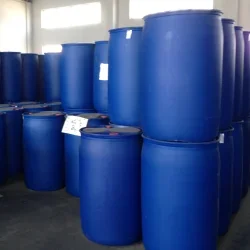
Microbial contamination is one of the most common challenges faced by paint, coating, adhesive, and construction of chemical manufacturers. Even small traces of bacterial or fungal growth can spoil stored products, cause odor, discoloration, or affect coating durability after application.
Classic Solvents provides high-performance dry film and in-can preservatives designed to prevent microbial contamination at every stage of your process – from storage to surface protection. With decades of experience and strong technical partnerships, we deliver preservative systems that ensure long-term stability, consistent performance, and dependable supply for industrial applications.
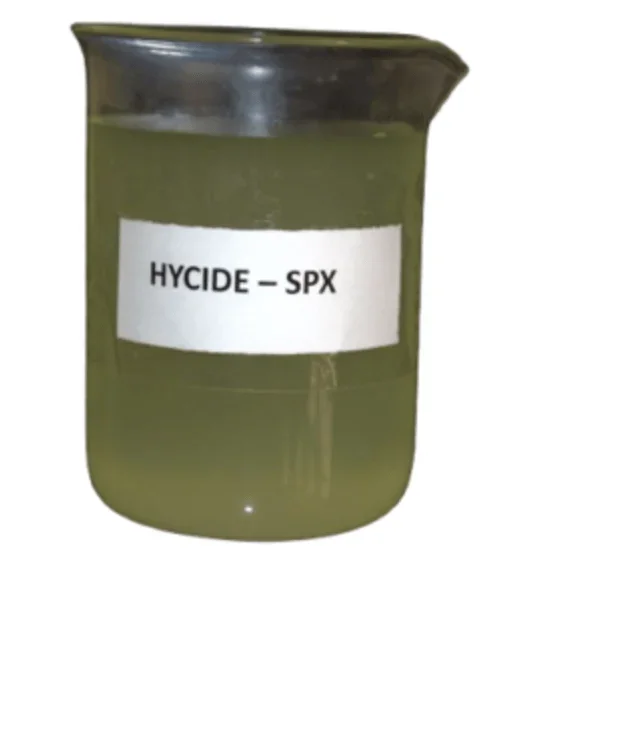
In-can preservatives (also called wet-state preservatives) prevent the growth of microorganisms such as bacteria, mold, and yeast inside liquid formulations during production, transport, and storage. These protect the product before it is applied.
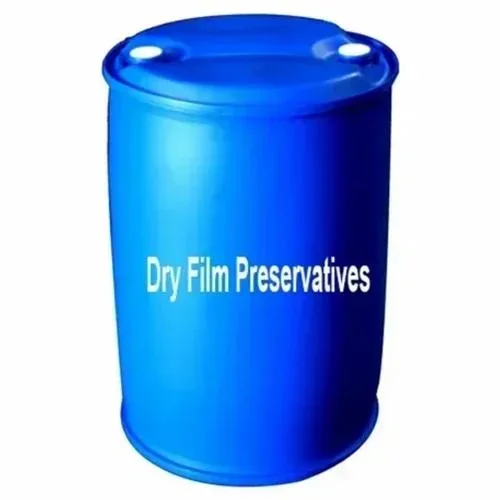
Dry film preservatives, on the other hand, provide post-application protection. Once the coating or film dries, these additives safeguard surfaces from microbial attack, black spotting, or film degradation caused by algae and fungi.
Both systems are formulated using carefully balanced active ingredients such as isothiazolinones, carbamates, zinc pyrithione, and other broad-spectrum biocides. Classic Solvents offers preservatives compatible with both water-based and solvent-based formulations, ensuring effective control without affecting performance, color, or stability.
These features help manufacturers maintain both product integrity and process efficiency, making preservatives a crucial component in every formulation.
With over four decades of experience in India’s chemical industry, Classic Solvents is recognized as a trusted name among preservative and additive suppliers. We combine strong sourcing partnerships with technical expertise to deliver reliable, compliant, and cost-effective preservative solutions.
We collaborate with reputable manufacturers, both local and international, to ensure reliable availability, delivery, and quality assurance for all preservative grades.
Our staff understands the complex chemistry of microbial protection. This expertise assists our clients in selecting in-can or dry film systems, recommended dosage, and guidance on compatibility with base resins and pH.
Every product goes through rigorous testing for active content, stability, and dispersion performance. We base our quality assurance program on ISO-certified practices and the Publisher’s Chapter of industry standards.
We offer total support from selecting preservative, determining dosage, troubleshooting, and formulation recommendations to ease your manufacturing procedures.
We can adjust quantities, offer turnkey supply options, and provide fair pricing that fits any scope of work, from bulk manufacturers to smaller formulators.
Classic Solvents supplies a versatile range of dry film and in-can preservatives suitable for various coating and formulation types.
| Dry Film Preservatives | Exterior and interior paints, protective coatings, sealants | Long-term protection against mold, fungi, and algae |
| In-Can Preservatives | Water-based paints, adhesives, construction emulsions | Controls microbial growth during storage and prevents spoilage |
| Dual-Action Preservatives | Decorative coatings and construction chemicals | Offers both wet-state and dry-film protection |
| Low-VOC & Formaldehyde-Free Options | Eco-sensitive coatings and industrial formulations | Environmentally compliant and non-reactive |
Classic Solvents partners with established preservative manufacturers to ensure stable quality, reliable sourcing, and compatibility across a wide variety of industrial systems.
Preservatives for dry film and in-can applications are widely used in so many industries where microbial control and coating protection are a necessity.
Quality is central to every Classic Solvents product. Each preservative grade is rigorously tested for stability, pH balance, and efficacy under various temperature and storage conditions.
We maintain partnerships with top-tier preservative suppliers in India and reputed global manufacturers, ensuring that every product meets international safety and environmental compliance standards (REACH, EPA, and BPR). From small-batch orders to bulk industrial requirements, Classic Solvents ensures the same reliability, documentation, and traceability.
Classic Solvents’ experts help evaluate these factors by recommending preservative systems that balance performance, safety, and cost-effectiveness – ensuring smooth production and long-term product reliability.
Classic Solvents has built its reputation on trust, consistency, and technical excellence. Our range of dry film and in-can preservatives offers dependable microbial protection and lasting surface performance for manufacturers across India and global markets.
Whether you need preservative solutions for paints, coatings, or construction chemicals, our technical team ensures the right formulation fits your process.
Partner with Classic Solvents – your dependable source for advanced preservative systems that protect your products and your reputation.
In-can preservatives protect liquid formulations from microbial growth during storage, while dry film preservatives prevent surface damage after the coating has dried. Both works together to ensure long-term product integrity.
Without preservatives, coatings can spoil, develop odor, or lose stability due to bacterial and fungal contamination. Using reliable preservatives maintains product quality and coating performance throughout its shelf life and service period.
Yes. Classic Solvents provides preservative systems that perform efficiently across both types of formulations while maintaining color clarity and stability.
We offer low-VOC and formaldehyde-free options that comply with international safety and environmental regulations, supporting sustainable manufacturing.
Yes, dual-action systems are available. However, our experts can help determine whether a combined or separate preservative system is more effective for your specific application.