

Color Pigments for Cosmetics and Paint: Types, Manufacturing Process, and Industrial Applications
A simple guide to color pigments for cosmetics and paint, including their types, manufacturing process, and industrial uses.
Color plays an important role in how products look, perform, and appeal to users. From makeup products to industrial coatings, pigments are what give materials their distinct shades and finishes. This is why color pigments for cosmetics and paint are widely used across industries.
In cosmetics, pigments are carefully selected to ensure they are safe for skin while delivering rich and long-lasting color. In paints, pigments are used not just for color, but also for durability, coverage, and resistance to environmental conditions.
As demand grows across sectors, companies depend on reliable pigment manufacturers to deliver consistent quality, performance, and supply. Understanding the different types of pigments, how they are made, and where they are used can help industries choose the right solution for their needs.
In this blog, we will explore the types of color pigments, their manufacturing process, and their key industrial applications in a simple and easy-to-understand way.
What Are Color Pigments?
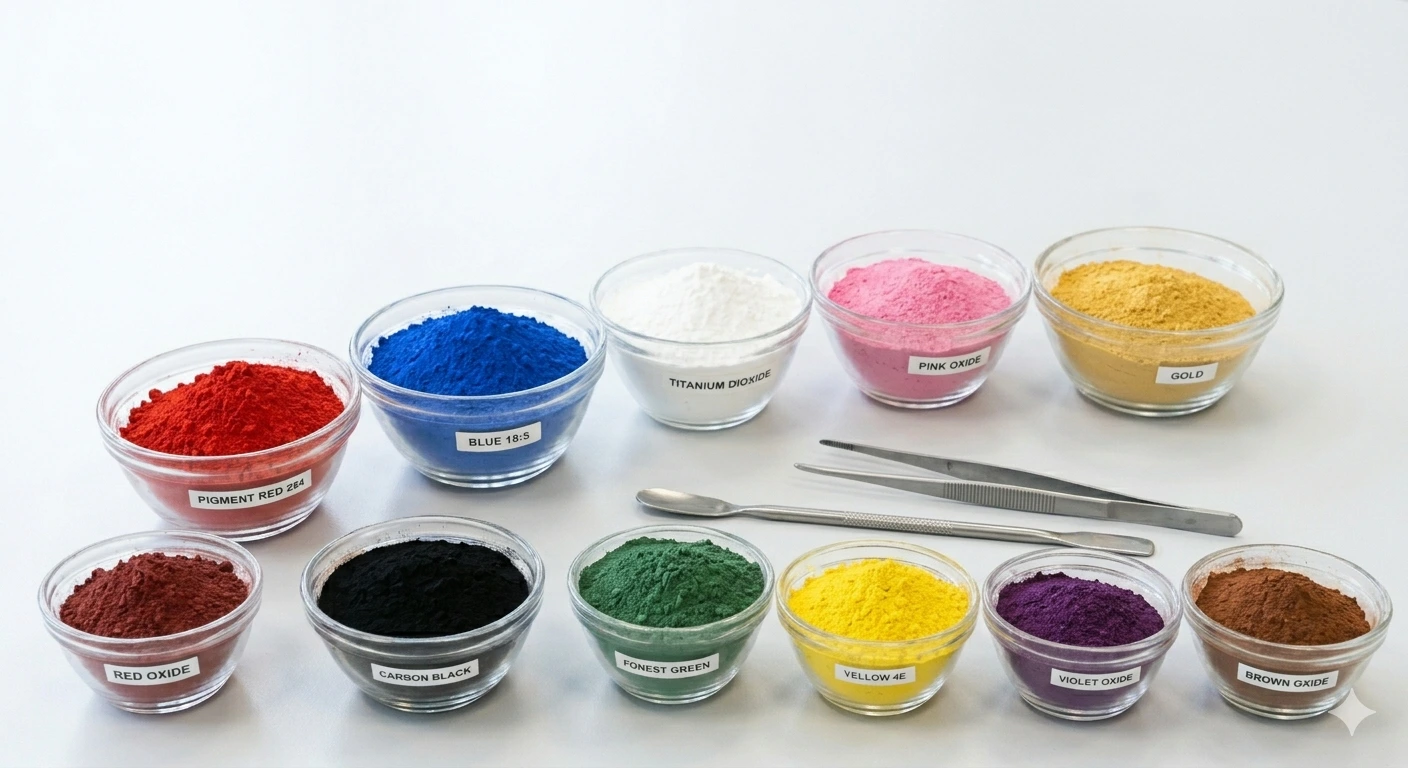
Color pigments are fine powders added to materials to impart color. These pigments don’t dissolve and stay evenly spread in the product, helping keep the color and finish consistent.
Unlike dyes, which dissolve completely in liquids, pigments remain stable and provide better coverage, opacity, and durability. This is one of the main reasons why color pigments for cosmetics and color pigment for paint are widely preferred in industrial applications.
Pigments are used not just to add color, but also to improve product performance. For example, in paints, they help protect surfaces from sunlight and weather damage. In cosmetics, they provide safe and long-lasting color for products like lipsticks, foundations, and eyeshadows.
Because they are stable and versatile, pigments are an important part of many industries and are a key product from leading pigment makers.
Types of Color Pigments Used in Cosmetics and Paint
Different industries require different kinds of pigments based on performance, safety, and durability. This is why pigment manufacturers offer a wide range of options to suit both cosmetic and paint applications.
A. Organic Pigments
Organic pigments are made from carbon-based compounds.
- Known for bright and vibrant colors
- Offer smooth texture and easy blending
- Commonly used in color pigments for cosmetics like lipsticks and eyeshadows
B. Inorganic Pigments
Inorganic pigments are derived from minerals and metal compounds.
- Provide excellent durability and heat resistance
- Offer strong opacity and coverage
- Widely used as color pigment for paint in industrial and decorative coatings
C. Natural Pigments
Natural pigments are sourced from plants, minerals, or natural materials.
- Considered safer and more eco-friendly
- Gaining popularity in cosmetic products
- Used where natural formulations are preferred
D. Synthetic Pigments
Synthetic pigments are chemically processed to achieve consistent quality.
- Offer uniform color and performance
- Suitable for large-scale industrial use
- Used in both color pigment for paint and cosmetics
Each type of pigment has its own benefits, and the right choice depends on the final application, performance needs, and safety requirements.
Color Pigments for Cosmetics
When it comes to color pigments for cosmetics, safety and quality are the top priorities. These pigments are used directly on the skin, so they must meet strict standards for purity and non-toxicity.
Cosmetic pigments are specially made to be gentle, stable, and safe for long-term use. They shouldn’t irritate the skin and need to provide consistent color in every batch.
Commonly used pigments in cosmetics include:
- Iron oxides for reds, yellows, and browns
- Titanium dioxide for white shades and coverage
- Ultramarines for blues and purples
These pigments are widely used in products like foundations, lipsticks, blushes, and eyeshadows. Along with color, they also help improve texture, coverage, and overall product performance.
Color Pigment for Paint
In the paint industry, pigments play a much larger role than just adding color. A good color pigment for paint helps improve the strength, durability, and life of the coating.
Paint pigments are selected based on how well they perform under different conditions such as sunlight, moisture, and temperature changes. They also help provide better coverage, reducing the number of coats required.
Key benefits of pigments in paint include:
- Strong color retention over time
- Resistance to weather and UV exposure
- Better hiding power and opacity
- Protection of surfaces from damage
Pigments are used in a wide range of paints, including decorative paints, industrial coatings, and protective finishes. Choosing the right pigment ensures that the paint not only looks good but also performs well over time.
This makes it essential for businesses to work with experienced pigment manufacturers who can provide high-quality and reliable solutions.
Manufacturing Process of Color Pigments
The production of pigments involves a few important steps to ensure consistent color, quality, and performance. Leading pigment manufacturers follow controlled processes to maintain uniform results across batches.
Here is a simple overview of how pigments are made:
- Raw Material Selection:
High-quality minerals or chemical compounds are selected based on the required pigment type and application.
- Chemical Processing:
The materials are processed through chemical reactions to develop the desired color and properties.
- Grinding and Milling:
The pigment particles are finely ground to achieve a smooth texture and uniform size, which helps in better mixing and application.
- Washing and Drying:
Impurities are removed, and the pigments are dried to ensure purity and stability.
- Quality Testing:
Final products are tested for color consistency, strength, safety, and performance before being supplied.
This process ensures that pigments used in both color pigments for cosmetics and color pigment for paint meet industry standards and perform reliably.
For a more detailed understanding of how pigments are created, you can read our complete guide on pigment manufacturing processes and industry use cases.
Industrial Applications of Color Pigments
Pigments are used in many industries to add color, make products look better, and boost performance.
Some key applications include:
- Paints and Coatings:
Used as color pigment for paint to provide color, protection, and durability in decorative and industrial coatings.
- Cosmetics and Personal Care:
Widely used as color pigments for cosmetics in makeup products for safe and long-lasting color.
- Plastics and Polymers:
Added to plastic products to give them color and improve resistance to heat and light.
- Printing Inks:
Used in inks for packaging, publishing, and labelling to ensure sharp and vibrant prints.
- Textiles:
Applied in fabrics to achieve consistent and durable coloration.
Because of their widespread use, industries depend on experienced pigment manufacturers who can deliver high-quality products suited to different applications.
How to Choose the Right Pigment Manufacturers
Choosing the right pigment manufacturers helps maintain consistent quality and keep operations running smoothly. Since pigments directly affect performance, even small variations can impact the final result.
Here are a few key factors to consider:
- Quality Standards
Ensure the manufacturer adheres to proper quality checks and industry regulations, especially for cosmetic color pigments, where safety is critical.
- Consistency in Supply:
Reliable supply and uniform quality across batches are essential for large-scale production.
- Technical Support:
Good manufacturers provide guidance on selecting the right color pigment for paint or cosmetic use based on application needs.
- Customisation Options:
Ability to offer tailored solutions depending on specific color, performance, or formulation requirements.
- Industry Experience:
Experienced manufacturers understand market demands and can deliver dependable solutions.
Working with the right partner helps businesses maintain product quality, reduce risks, and improve overall efficiency.
Choosing the Right Partner for Quality Color Pigments
Color pigments play a key role across industries, from enhancing the look of cosmetic products to improving the performance and durability of paints. Whether it is selecting the right color pigments for cosmetics or paint, quality and consistency remain essential.
Understanding the types of pigments, their manufacturing process, and their applications helps businesses make better decisions and achieve the desired results in their products. At the same time, working with experienced pigment manufacturers ensures reliable supply, consistent quality, and the right technical support.
At Classic Solvents, we bring over four decades of experience in supplying high-quality chemical solutions across industries. We collaborate with global partners and have a wide distribution network in India to deliver supplies on time. We focus on providing reliable products and the technical support businesses need to improve their formulas and performance.
If you are looking for trusted color pigments for cosmetics or paint, we are here to support your requirements with quality and expertise.
